Billionaire bunkers, Dr. Dre’s forty summers, & the sleep sweet spot
Key Insight
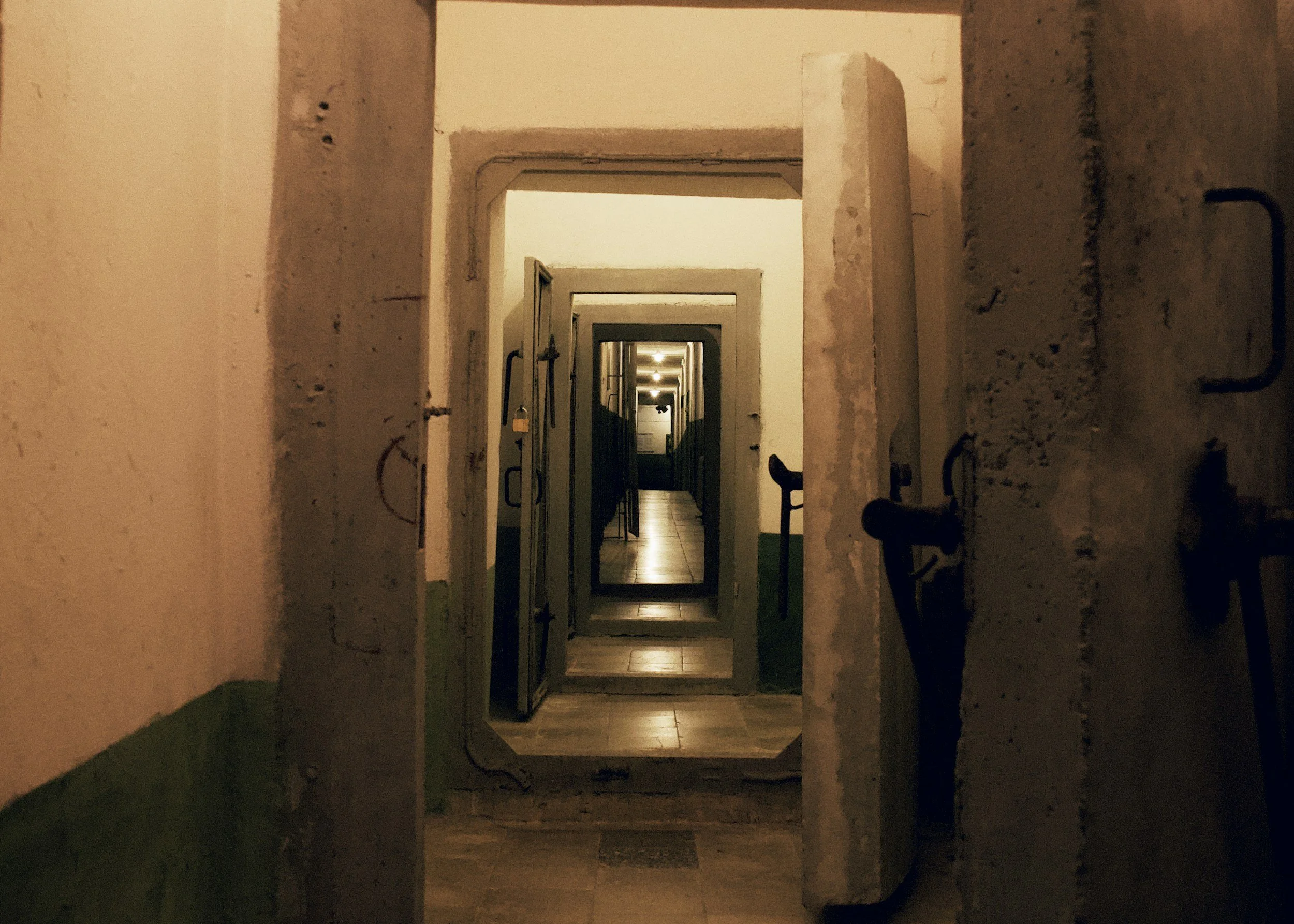
There's a design trend running through luxury real estate right now: safe rooms, retina scanners, guard dogs & towers, private islands reachable by a single guarded bridge. The pitch is always security. But talk to anyone who's spent real time behind that many locks and you get a different story — the walls don't calm anyone down, they just give the fear somewhere permanent to live. Building for the threat you're imagining is usually a worse bet than building for the life you actually want to have.
A question to ask yourself
Succession isn't only a CEO problem. Most people spend their careers making themselves the answer — the one who has to sign off, weigh in, decide. The better long game is making yourself the question: building people and systems that don't need you in the room. Where are you still the answer when you should already be optional? Should a new leader take over slowly or suddenly? Coach K at Duke had a plan.

Reading, Podcast & Other Notes
Keith McNally's memoir I Regret Almost Everything just won the 2026 Gotham Book Prize, and it's worth reading for more than the downtown Manhattan gossip. McNally — the man behind Balthazar, Pastis, and a good chunk of New York's dining scene — writes that a restaurant works the same way a play or a film does: it has to build its own universe. Get reminded of the outside world while you're mid-meal, he says, and it lands like a doorbell ringing at exactly the wrong moment. The line that sticks longer, though, is smaller. Improving, he writes, is just "the ceaseless repetition of small actions." Forty years of opening rooms people didn't want to leave came down to that, not to vision.
Jimmy Iovine and Dr. Dre sat down with the Times last month around Beats' expansion into USC, and Dre's answer on protecting his creative output was the most useful line in the piece. He does the math on his day — sixteen waking hours — and tracks what's actually happening to each one. "I have 40 summers left if I'm lucky," he told the paper, and says the arithmetic has made him ruthless about who he spends time with, not just what he works on. Most people manage a calendar. Dre is managing a shrinking, countable resource, and that changes what feels worth a yes.
Acquired's August deep dive on Disney opens on a fact that's easy to forget now: in 1984, the Walt Disney Company was worth more dead than alive. Animation had stagnated for years, and corporate raiders were circling — not to run the studio better, but to sell off the film library and the parks for parts. What saved it wasn't a new product. It was Michael Eisner and Frank Wells recognizing that Disney's most valuable asset wasn't on anyone's balance sheet — it was decades of underused creative IP nobody had bothered to activate. The turnaround wasn't invention. It was noticing what was already there and finally using it.
Four researchers — including the NBA's director of performance and innovation and FC Barcelona's head of medical services — spent this year interviewing eleven elite coaches across U.S., European, Australian, and New Zealand leagues for Harvard Business Review, asking how they make decisions with the whole stadium watching and only seconds to decide. The finding that stands out: there's no single formula for looking calm in the moment. What actually separates the best is what happens before and after it — relentless preparation that makes the in-the-moment call feel almost automatic, and a brutal, honest debrief afterward that has nothing to do with whether the play worked. The calm you see during a crisis was mostly built the week before it happened.
Health
A new study out of Columbia, published in Nature this August, mapped 23 different biological aging clocks against sleep duration in half a million people — and found a clear U-shape. The least biological aging showed up in people sleeping between 6.4 and 7.8 hours a night. Both shorter and longer sleep were tied to faster aging across nearly every organ system studied, plus higher rates of depression, diabetes, and heart disease. The counterintuitive part isn't that too little sleep is bad — everyone already believes that. It's that too much sleep carries its own tax, and lead researcher Junhao Wen found the biological pathway behind long-sleep aging runs different from the one behind short-sleep aging, meaning the two probably shouldn't be treated with the same fix. If you're consistently sleeping past eight or nine hours and still tired, that's not a virtue signal — it's a data point worth taking to a doctor, not a badge of recovery.
If someone forwarded this to you, subscribe at balancecoaching.co.